Structured digital reporting
Photography and rated observations delivered as organised, comparable reports rather than loose files.
Field inspection, drone and ROV imagery, underwater observation, photography, asset records and engineering assessment, connected into one clear, structured view of your infrastructure.
Divers, drones and ROVs document the asset from every accessible perspective.
Observations, imagery and measurements become organised, comparable asset records.
Engineering knowledge and historical data give the findings context and meaning.
Condition ratings separate what needs attention now from what can wait.
Evidence-based maintenance, repair and upgrade decisions, with a record that compounds over time.
Every inspection should leave you knowing more about your asset. Our reporting methodology, developed through more than 8,000 reservoir jobs, works in three stages.
Recognise. Identify contamination pathways, structural defects, coating deterioration, corrosion, sediment, security issues and safety hazards.
Assess. Turn observations into useful asset information: date-stamped photography, condition ratings, benchmark comparisons and maintenance priorities.
Present. Deliver information you can act on, in a format that works for both operations and long-term asset management.

Recognise, Assess, Present feeds directly into the Capture to Act workflow above. Same discipline, growing digital reach.
Every structured assessment considers the asset across the perspectives that matter to owners, operators and regulators. This framework carries through our reporting and, where clients use it, the ASAM RT data management platform for storage tanks, aqueducts and pump stations.
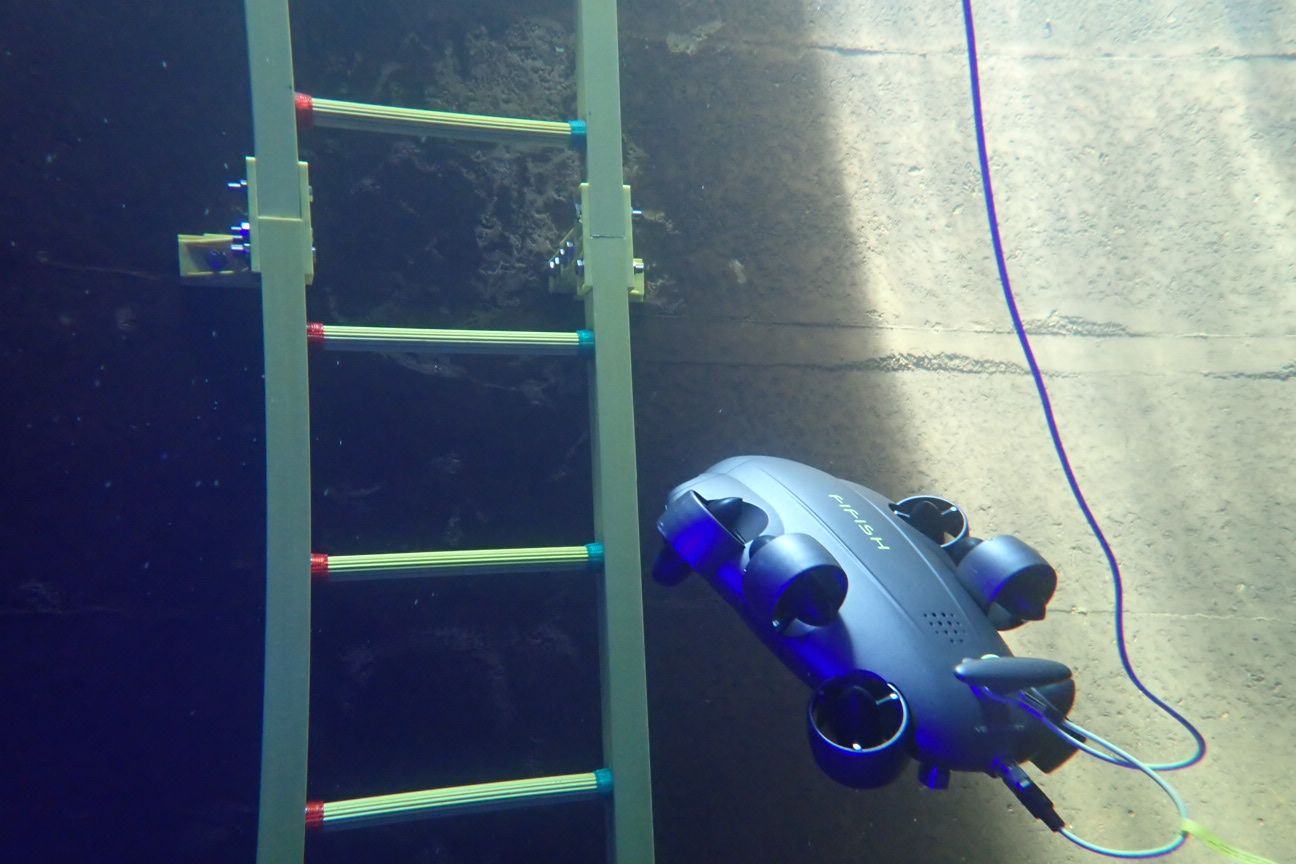
We are progressively connecting inspection imagery, field observations, engineering knowledge and asset records into connected systems, exploring how AI-assisted analysis, better data capture and remote inspection technology can turn inspection results into clearer, faster infrastructure decisions.
Photography and rated observations delivered as organised, comparable reports rather than loose files.
Inspection results, maintenance records and imagery linked to each asset, so trends are visible across years, not just visits.
Pattern recognition across inspection imagery and data to support, never replace, experienced engineering judgement.
Start with a single condition assessment, or talk to us about a structured program across your network.